TTS Savings Calculator
See how much you can save by switching to VoiceRankings Reader.
1. Estimate Your Usage
Monthly Usage: 600,000 characters
Yearly Usage: 7,200,000 characters
2. Choose a Competitor
3. Select Your Plan
Your Savings Breakdown
Monthly Cost Comparison
Speechify
$29.00

BYOK + Kokoro-82M
$0.39
Year 1 Summary
(Includes the one-time $9 unlock fee)
Speechify Cost:
Developer Mode (BYOK) Cost:
You Save:
$348.00
$13.68
$334.32
96% Saved
Year 2 Summary
(No recurring fees)
Speechify Cost:
Developer Mode (BYOK) Cost:
You Save:
$348.00
$4.68
$343.32
99% Saved
Sample Audio with Kokoro-82M
Listen to real examples created by our users

af_bella
"The Linux kernel was designed by Linus Torvalds, following the lack of a working kernel for GNU, a Unix-compatible operating system made entirely of free software that had been undergoing development since 1983 by Richard Stallman. A working Unix system called Minix was later released but its license was not entirely free at the time and it was made for an educative purpose. The first entirely free Unix for personal computers, 386BSD, did not appear until 1992, by which time Torvalds had already built and publicly released the first version of the Linux kernel on the Internet. Like GNU and 386BSD, Linux did not have any Unix code, being a fresh reimplementation, and therefore avoided the then legal issues. Linux distributions became popular in the 1990s and effectively made Unix technologies accessible to home users on personal computers whereas previously it had been confined to sophisticated workstations. Desktop Linux distributions include a windowing system such as X11 or Wayland and a desktop environment such as GNOME, KDE Plasma or Xfce. Distributions intended for servers may not have a graphical user interface at all or include a solution stack such as LAMP. The source code of Linux may be used, modified, and distributed commercially or non-commercially by anyone under the terms of its respective licenses, such as the GNU General Public License (GPL). The license means creating novel distributions is permitted by anyone and is easier than it would be for an operating system such as MacOS or Microsoft Windows. The Linux kernel, for example, is licensed under the GPLv2, with an exception for system calls that allows code that calls the kernel via system calls not to be licensed under the GPL."
af_bella
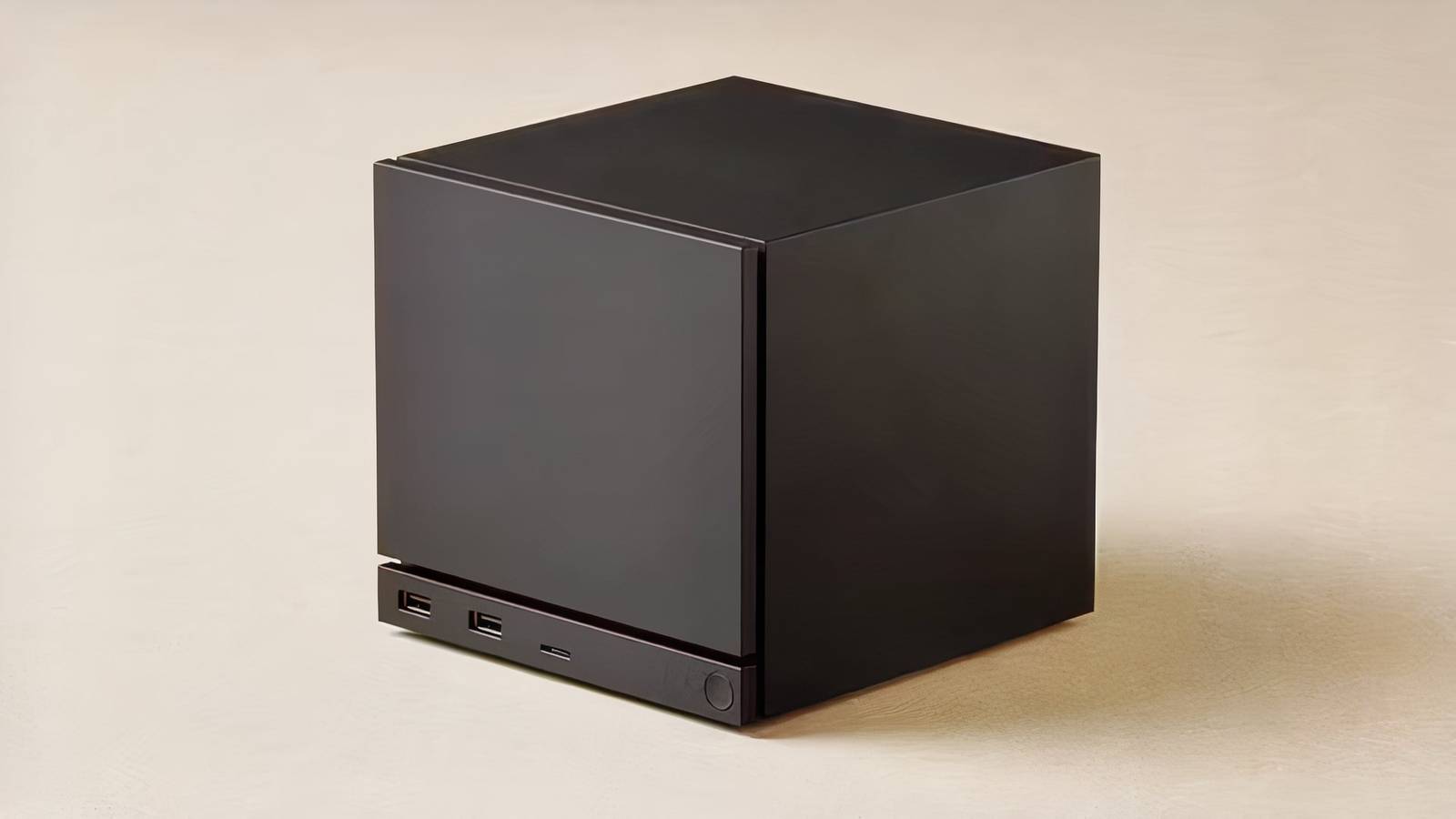
"In a somewhat unexpected move, Steam Deck creator Valve has just announced a new Steam Machine, a home console built around SteamOS. This is the famed gaming company's second swing at a home gaming platform, as the first Steam Machine launched in 2015 to poor sales. The console was mostly wiped from Steam's store just a few years later, in 2018. This previous failure might come as something of a surprise considering the overwhelming success of the Steam Deck, Valve's breakout portable gaming device. The Steam Deck (along with its Steam OLED premium model) can be considered partially responsible for the explosion in portable or hybrid gaming PCs over the past few years—a hardware trend that even Microsoft has begun to partake in via the ROG Xbox Ally, an Xbox-branded handheld. However, the Steam Machine is targeting a notably different hardware category."
Ready to Stop Overpaying?
You could save $334.32 in your first year
Join 500+ users who've already escaped the subscription trap
✓ No credit card required • ✓ 10 free echo tokens • ✓ Cancel anytime
Your Potential Savings
Based on your usage calculation
💰 That's like getting:
• 67 Chipotle burritos
• 169 coffees
• 1.4 months of rent (with roommates)
Help a Friend Save Money
Know someone overpaying for text-to-speech reader app? Share this calculator and help them discover the savings!
Every share helps someone escape the subscription trap
Frequently Asked Questions
Everything you need to know about saving money with VoiceRankings
How much does VoiceRankings actually cost?
You have two options: (1) Buy voice credits starting at $3.49 for 87,500 characters - they never expire and work across over a dozen providers. (2) Unlock Developer Mode for $9 one-time, then bring your own API keys and pay provider costs directly (as low as $0.65 per million characters). Most users save 90%+ compared to Speechify.